

Feeding Therapy
for
Happier Mealtimes
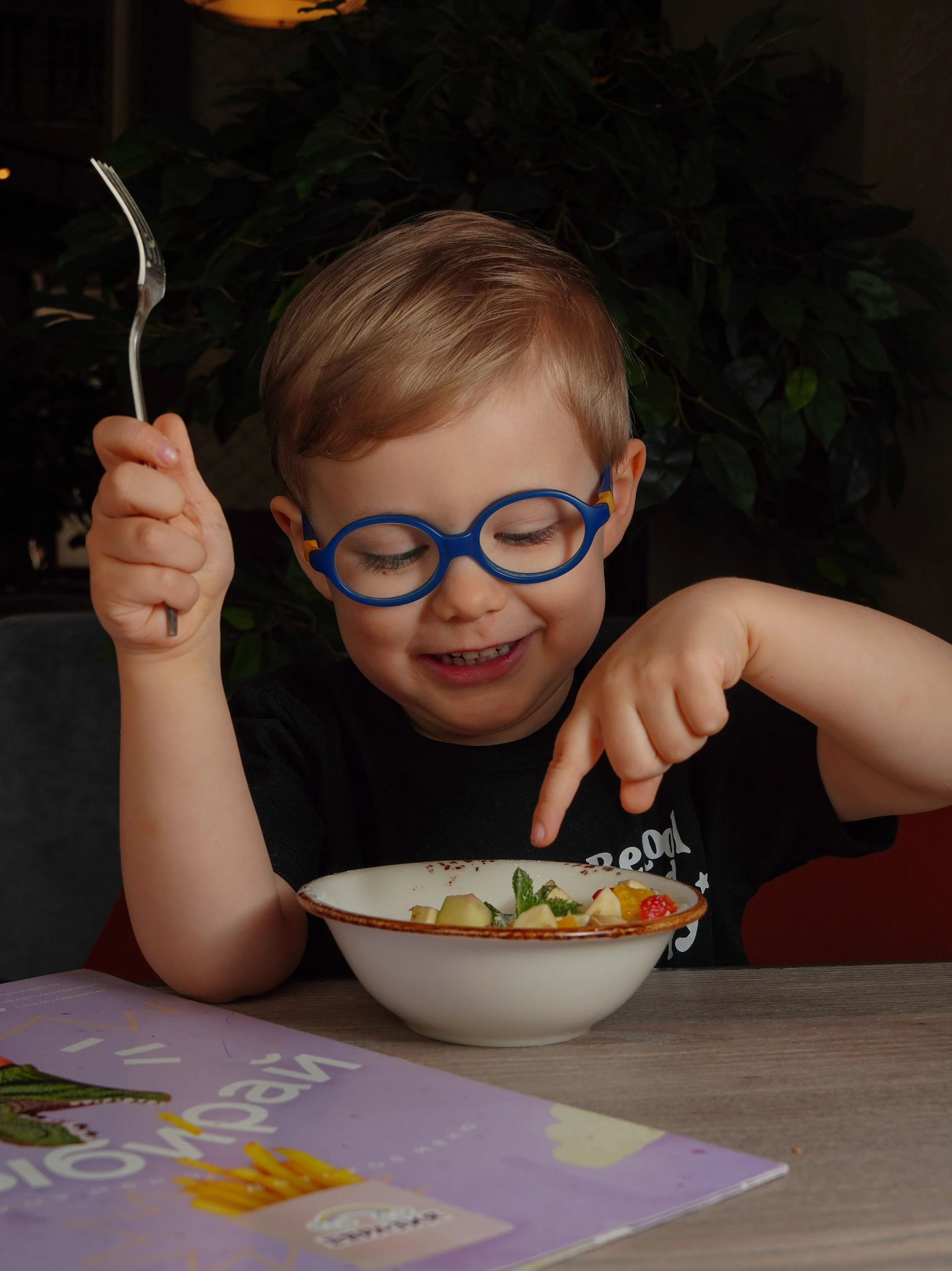
What is feeding therapy?
Feeding therapy helps children eat safely, comfortably, and with confidence. Some kids are very picky. Some gag or cough at meals, struggle with a bottle, or have trouble moving on to new textures. Feeding therapy looks at why eating is hard for your child and builds a plan that fits them.
How do speech therapists help with feeding?
-
Pediatric Feeding Disorder (PFD)
Oral motor dysfunction
Picky eating
Difficulty transitioning from purees to solids
Bottle or breast-to-cup weaning support
Transitioning to thickened liquids
Weaning from thickened liquids
We believe in meeting every child where they are. Sometimes a feeding concern calls for additional specialists to provide holistic care, we'll help guide you through exactly who to see and why.
-
What Is Infant Feeding Therapy?
Infant feeding therapy helps babies who are having trouble eating, drinking, or swallowing safely. A speech therapist works with your baby and your family to figure out what's causing the trouble and teaches you simple strategies to make feeding times easier and safer. This support can happen at the hospital, at home, or through virtual visits.
A speech therapist can help with:
Trouble latching or feeding at the breast or bottle
Coughing, choking, or gagging during feeds
Slow weight gain or trouble finishing bottles
Difficulty moving from a feeding tube to eating by mouth
Signs that a baby may be swallowing unsafely (including support with swallow studies)
Transitioning to solid foods
Picky eating or strong reactions to new textures
Coordinating sucking, swallowing, and breathing during feeds
Transitioning to thickened liquids
Weaning from thickened liquids
Bottle refusal
Bottle flow rate assessment
We believe in meeting every child where they are. When a feeding concern calls for additional specialists or hands-on care, we'll help guide you through exactly who to see and why.
-
After your child's evaluation, we'll sit down together to walk through their results, explain our clinical recommendations, and map out a personalized plan of care that targets their specific goals. We'll also recommend the ideal session frequency and length based on your child's needs and our clinical findings. Every treatment plan includes caregiver education and a customized home exercise plan; so that you feel equipped and confident supporting your child's growth between sessions. From there, we'll check in regularly, celebrate progress, and adjust the plan as your child reaches new milestones.

Fear Free Approach
We believe in a fear-free, child-led approach that builds long-term success with eating. We build trust first, then take small steps, so mealtimes feel fun and safe instead of scary. Our goal is a confident eater who feels good about food.
Our feeding therapist draws on respected approaches, including the Sequential Oral Sensory (SOS), Baby-Led Weaning, Adapted Baby-Led Weaning, CAN-EAT program, and more. We choose the right strategies for your child’s age, skills, and needs.
We’ll also show you how to bring the same relaxed approach to your table, and give you simple strategies to practice between therapy sessions.